本文最后更新于 2025-11-16 22:14:46
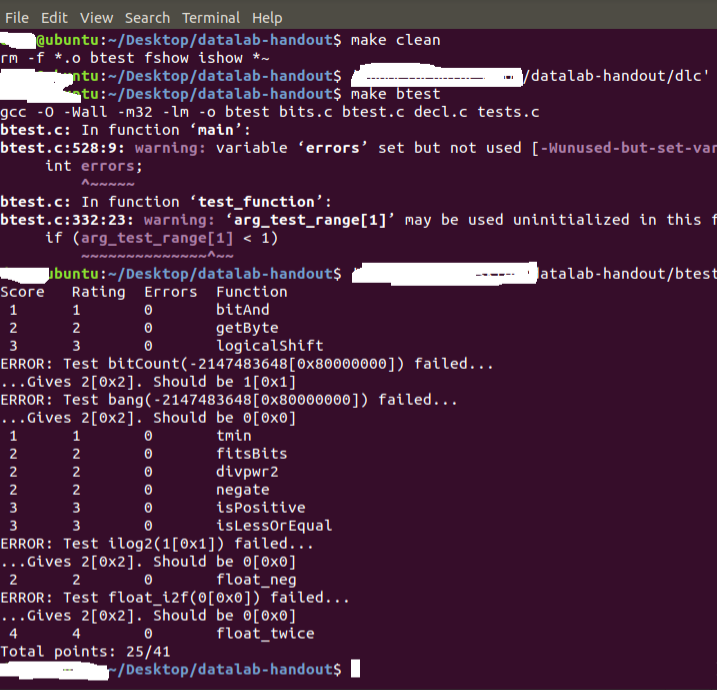
首先声明datalab本人未完成,有4道题目没有做出来。本文博客记录下自己的解析,以便以后回忆。如果能帮助到你就更好了,如果觉得本文没啥技术含量,也望多多包涵。
1
2
3
4
5
6
7
8
9
10
11
12
13
14
15
16
17
18
19
20
21
22
23
24
25
26
27
28
29
30
31
32
33
34
35
36
37
38
39
40
41
42
43
44
45
46
47
48
49
50
51
52
53
54
55
56
57
58
59
60
61
62
63
64
65
66
67
68
69
70
71
72
73
74
75
76
77
78
79
80
81
82
83
84
85
86
87
88
89
90
91
92
93
94
95
96
97
98
99
100
101
102
103
104
105
106
107
108
109
110
111
112
113
114
115
116
117
118
119
120
121
122
123
124
125
126
127
128
129
130
131
132
133
134
135
136
137
138
139
140
141
142
143
144
145
146
147
148
149
150
151
152
153
154
155
156
157
158
159
160
161
162
163
164
165
166
167
168
169
170
171
172
173
174
175
176
177
178
179
180
181
182
183
184
185
186
187
188
189
190
191
192
193
194
195
196
197
198
199
200
201
202
203
204
205
206
207
208
209
210
211
212
213
214
215
216
217
218
219
220
221
222
223
224
225
226
227
228
229
230
231
232
233
234
235
236
237
238
239
240
241
242
243
244
245
246
|
int bitAnd(int x, int y) {
return ~(~x | ~y);
}
int getByte(int x, int n) {
int offsetValue = 0xff;
int offsetIndex = n << 3;
int value = (x & (offsetValue << offsetIndex)) >> offsetIndex;
return value & offsetValue;
}
int logicalShift(int x, int n) {
int offset = 0x1 << 31;
int offsetValue = ~(offset >> n << 1);
return (x >> n) & offsetValue;
}
int bitCount(int x) {
return 2;
}
int bang(int x) {
return 2;
}
int tmin(void) {
return (0x1 << 31);
}
int fitsBits(int x, int n) {
int offsetValue = 0x1 << n;
int addValue = (offsetValue >> 1) & (~offsetValue);
int value1 = x + addValue;
int value2 = addValue + (~x);
int maxValue = 0x1 << 31;
return (n >> 5) | ((!(value1 & maxValue)) & (!(value2 & maxValue)));
}
int divpwr2(int x, int n) {
int maxValue = 0x1 << 31;
int offsetValue = ~(0x1 << 31 >> (32 + ~n));
int andValue = offsetValue & x;
return (x >> n) + ((!!(x & maxValue)) & (!!(andValue)));
}
int negate(int x) {
return ~x + 1;
}
int isPositive(int x) {
return (!(x >> 31)) ^ (!x);
}
int isLessOrEqual(int x, int y) {
int offsetValue = 0x1;
int offsetIndex = 31;
int offsetSign = offsetValue << offsetIndex;
int signX = !(x & offsetSign);
int signY = !(y & offsetSign);
int value1 = ((!signX) & signY )^ 0x0;
int value2 = (signX & (!signY)) ^ 0x1;
int value3 = (!((y + ~x + 1) & offsetSign)) ^ 0x0;
return value1 | (value2 & value3);
}
int ilog2(int x) {
return 2;
}
unsigned float_neg(unsigned uf) {
int offsetValue = 0x1;
int offsetIndex = 0;
int andValue = 0;
int signValue;
while (offsetIndex < 31)
{
signValue = (uf & offsetValue) >> offsetIndex;
if (offsetIndex < 23)
{
andValue = andValue | signValue;
}
else
{
andValue = andValue & signValue;
}
offsetIndex += 1;
offsetValue <<= 1;
}
if (andValue)
{
return uf;
}
return uf ^ offsetValue;
}
unsigned float_i2f(int x) {
return 2;
}
unsigned float_twice(unsigned uf) {
int signIndex = 31;
int expIndex = 23;
int offsetValue = 0x1;
int offsetSign = offsetValue << signIndex;
int andValue = 1;
int orValue = 0;
int signValue;
int offsetIndex = expIndex;
while (offsetIndex < signIndex)
{
signValue = (uf & (offsetValue << offsetIndex)) >> offsetIndex;
andValue = andValue & signValue;
orValue = orValue | signValue;
offsetIndex += 1;
}
if (andValue == 1)
{
return uf;
}
else if (orValue == 0)
{
signValue = !!(uf & offsetSign);
uf <<= 1;
if (signValue == 0)
{
return uf & (~offsetSign);
}
return uf | offsetSign;
}
else
{
signValue = ((uf >> expIndex) + 1) << expIndex;
offsetIndex = expIndex;
while (offsetIndex < signIndex)
{
uf &= ~(offsetValue << offsetIndex);
offsetIndex += 1;
}
return uf | signValue;
}
}
|
datalab笔记
https://njit-77.github.io/2018/09/21/datalab/